When working on construction sites, ice poses a significant risk that can lead to accidents and delays. To tackle this issue effectively, you need to adopt smart ice removal strategies that utilize innovative technologies. By incorporating heated mats and thermal imaging drones, you can proactively identify and manage icy conditions. But what specific steps can you take to implement these solutions and guarantee a safer work environment?
Key Takeaways
- Implement smart sensors to monitor temperature and moisture, providing early alerts for potential icy conditions on construction sites.
- Utilize heated mats for immediate ice melting, significantly reducing the risk of slips and falls in high-traffic areas.
- Engage drones with thermal imaging to efficiently identify and address icy spots that may not be visible to the naked eye.
- Establish a clear communication plan for team members to report and manage ice hazards promptly and effectively.
- Regularly train crew members on ice management protocols and equip them with the necessary tools for safe ice removal.
Understanding the Risks of Ice on Construction Sites
When winter weather strikes, it’s crucial to recognize the dangers ice poses on construction sites. Slips, trips, and falls become significant hazards, jeopardizing the safety of your team. Ice can also compromise equipment stability and lead to costly delays. To combat these risks, you need a solid ice removal strategy for facilities. Prioritize regular inspections to identify icy patches, and implement snow removal protocols promptly. Utilize appropriate tools and materials, such as salt and sand, to enhance traction. By educating your crew about recognizing hazardous conditions and encouraging them to report issues, you foster a culture of safety and teamwork. Ultimately, understanding these risks and actively addressing them helps guarantee everyone on your site feels secure and valued.
Effective Ice Removal Strategies for Construction Facilities
To guarantee safety on construction sites during winter months, implementing effective ice removal strategies for facilities is essential. Start by conducting regular inspections to identify icy areas early. Utilize snow shovels and ice scrapers for small patches, and consider salt or sand for larger surfaces to prevent slipping. It’s also wise to designate specific team members responsible for monitoring and maintaining pathways. Encourage open communication among your team; share updates on ice conditions to keep everyone informed. Additionally, providing non-slip footwear can enhance safety for your crew. By fostering a proactive approach to ice management, you’ll not only enhance safety but also cultivate a culture of care and responsibility within your construction team.
Innovations in Ice Removal Technology
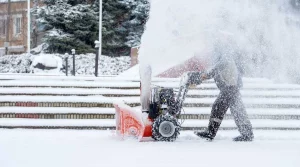
As winter weather poses challenges, innovative ice removal technology is emerging to enhance safety on construction sites. You might consider using heated mats that melt ice on contact, minimizing the risk of slips and falls. Drones equipped with thermal imaging can identify icy spots, allowing for targeted treatment rather than blanket applications. Additionally, smart sensors can monitor temperature and moisture levels, alerting you to potential ice formation before it becomes a problem. Automated solutions, like robotic snowplows, can efficiently clear pathways, reducing manual labor and increasing safety. By integrating these advanced systems into your ice removal strategy for facilities, you not only improve site safety but also foster a culture of innovation and care among your team.
Best Practices for Implementing an Ice Removal Strategy for Facilities
Implementing an effective ice removal strategy for facilities requires a thorough understanding of your specific site conditions and the tools at your disposal. Start by evaluating high-risk areas, like entrances and walkways, where ice accumulation poses safety hazards. Next, choose appropriate removal methods, such as snow plows or chemical deicers, based on your facility’s surface materials. Regularly inspect and maintain your equipment to guarantee it’s ready when needed. Establish a clear communication plan with your team, so everyone knows their roles during ice events. Additionally, keep a record of weather forecasts to anticipate potential ice issues. By being proactive and organized, you’ll create a safer environment for everyone, fostering a culture of teamwork and responsibility.
Enhancing Safety Through Proactive Ice Management Solutions
While unpredictable weather can create challenges, adopting proactive ice management solutions is essential for maintaining safety at construction sites. By implementing a strategic ice removal strategy for facilities, you can minimize hazards that lead to slips and falls. Start by regularly monitoring weather forecasts and using ice detection technology to anticipate icy conditions. Establish a routine for applying de-icing agents or using heated mats to prevent ice from forming in the first place. Make certain your team is trained on ice management protocols and equipped with the right tools. Engaging with your crew not only fosters a sense of belonging but also reinforces a culture of safety. Together, you can create a safer work environment and protect everyone on site.
Conclusion
Incorporating smart ice removal strategies on construction sites is essential for enhancing safety and efficiency. By utilizing advanced technologies like heated mats and thermal imaging drones, you’re not just addressing icy hazards proactively, but also fostering a culture of teamwork and open communication. Remember, regular inspections and automated solutions keep pathways clear, minimizing slips and falls. Prioritizing these practices guarantees a safer working environment, ultimately leading to fewer delays and a more productive site. Stay proactive and safe!
You May Also Like To Read: