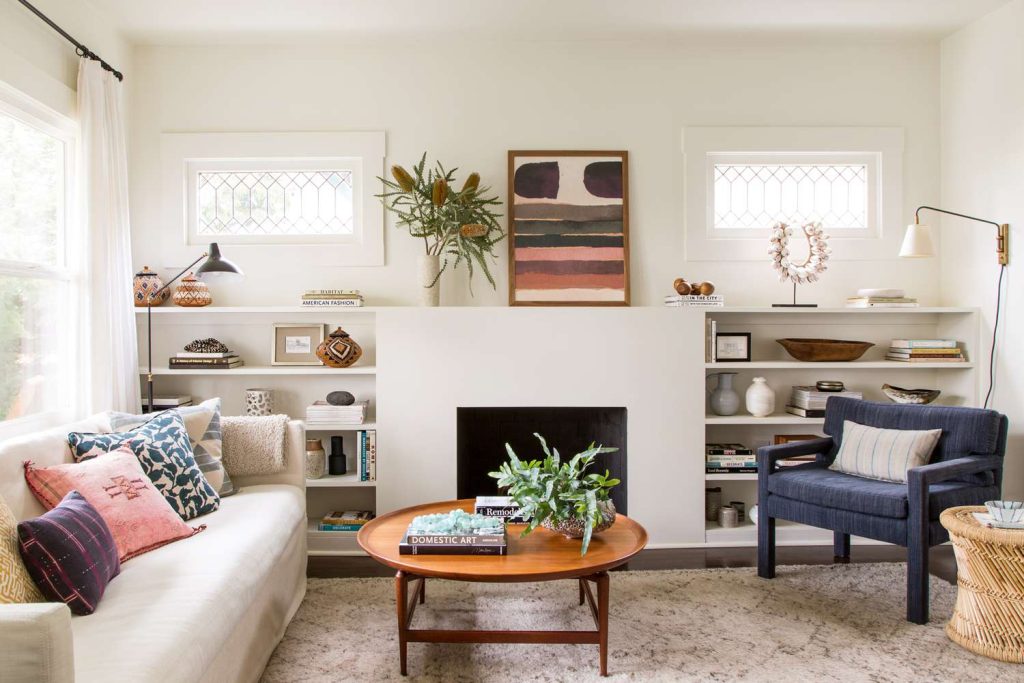
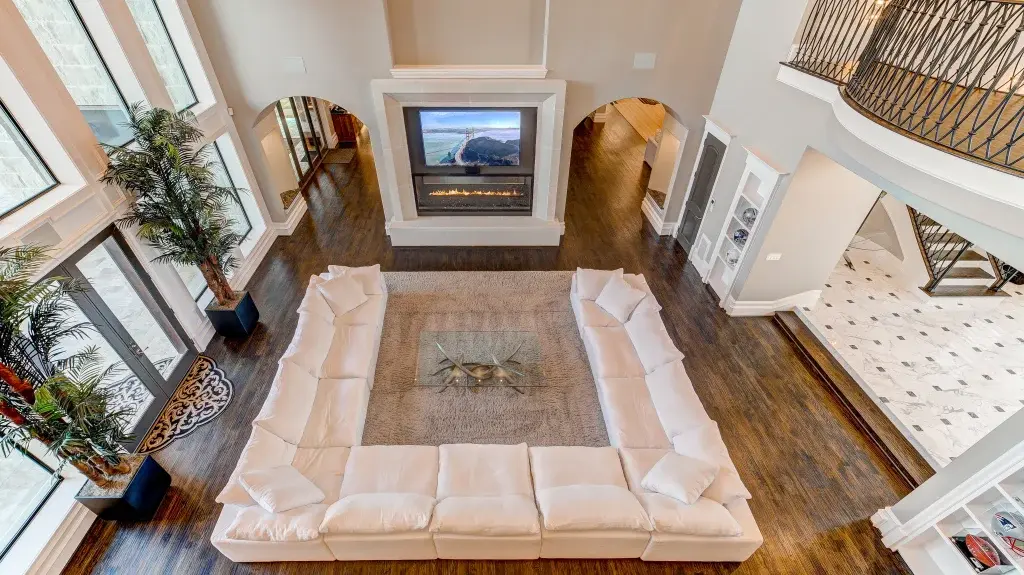
Creating a calm home environment can greatly alleviate the physical symptoms of anxiety. Thoughtful redesigns, such as decluttering and choosing soothing colors, can foster relaxation. Additionally, the arrangement of furniture and the use of soft textiles contribute to a sense of comfort. Understanding how these elements interact with mental well-being is essential. As individuals seek tranquility, exploring specific design changes may reveal effective strategies for enhancing their living spaces.
Key Takeaways
- Declutter your space to create a calming environment that reduces stress and promotes emotional stability.
- Use soft, soothing color palettes like blues and greens to encourage relaxation throughout your home.
- Incorporate plants and natural elements to enhance mood and foster a sense of belonging.
- Maximize natural light exposure to uplift spirits and support serotonin production for calmness.
- Design personal mindfulness spaces with comfortable furnishings and calming scents to promote tranquility and self-reflection.
Understanding the Physical Symptoms of Anxiety
While many may think of anxiety as solely an emotional experience, it often manifests in physical symptoms that can greatly impact daily life. These symptoms may include rapid heartbeat, muscle tension, and fatigue, creating a cycle that can feel overwhelming. Understanding these physical manifestations is essential for those seeking relief. Individuals often search for effective strategies on how to reduce physical symptoms of anxiety, as these symptoms can hinder their sense of belonging and connection with others. Simple techniques such as mindful breathing, regular physical activity, and maintaining a balanced diet can greatly alleviate discomfort. By acknowledging the physical side of anxiety, individuals can take empowered steps toward a calmer, more fulfilling life, fostering a greater sense of community and support.
The Role of Your Home Environment in Anxiety Management
A calming home environment plays an essential role in managing anxiety and can greatly influence one’s emotional and physical well-being. The spaces individuals inhabit often reflect their mental state; clutter and chaos can exacerbate feelings of anxiety, while serene, organized settings promote relaxation. Natural light, soothing colors, and personal touches can create a sense of safety and belonging. Additionally, familiar and comforting elements, such as cherished decor or family photos, foster emotional connections that provide support during stressful times. A thoughtfully designed home can serve as a sanctuary, offering respite from the outside world. By understanding how to reduce physical symptoms of anxiety through environmental choices, individuals can cultivate a nurturing atmosphere that encourages peace and stability.
Simple Design Changes to Promote Calmness
Numerous simple design changes can significantly enhance a home’s tranquility and help reduce physical symptoms of anxiety. Creating a clutter-free environment invites calmness; organizing spaces allows for easier navigation and diminishes stress. Soft, soothing color palettes, such as blues and greens, promote relaxation, while comfortable furniture encourages a sense of security. Incorporating textiles like plush cushions and throws can further enhance warmth and comfort. Thoughtful lighting, such as dimmable lamps or soft LED options, fosters an inviting atmosphere. Finally, establishing personal spaces for mindfulness activities, like reading or meditation, can cultivate a sense of belonging and peace. By making these subtle adjustments, individuals can transform their homes into sanctuaries that support emotional well-being and serenity.
Incorporating Nature and Light for Stress Relief
Incorporating elements of nature and natural light into home design can greatly enhance emotional well-being and reduce physical symptoms of anxiety. By introducing plants, homeowners can create a soothing environment that promotes relaxation and connection to the natural world. The presence of greenery has been shown to lower stress levels and improve mood, fostering a sense of belonging. Additionally, maximizing natural light through open spaces and strategically placed mirrors can uplift spirits and create warmth within the home. Sunlight exposure supports the body’s production of serotonin, contributing to a calmer state of mind. Together, these elements serve as powerful tools for those seeking to reduce physical symptoms of anxiety, allowing individuals to cultivate a sanctuary that nurtures their emotional health.
Creating Personal Spaces for Mindfulness and Relaxation
When individuals take the time to create personal spaces dedicated to mindfulness and relaxation, they often find a significant reduction in the physical symptoms of anxiety. These spaces can be as simple as a cozy corner with cushions, soft lighting, and calming scents. By intentionally designing environments that promote tranquility, individuals can cultivate an atmosphere conducive to self-reflection and peace. Integrating elements like soft textiles, soothing colors, and personal mementos can enhance the sense of belonging and comfort. Additionally, dedicating time to engage in mindfulness practices within these spaces—such as meditation, reading, or gentle stretching—can further alleviate anxiety. Ultimately, creating personal sanctuaries allows individuals to retreat from the noise of daily life and reconnect with their inner selves, fostering a profound sense of calm.
Frequently Asked Questions
Can Certain Colors in My Home Reduce Anxiety Symptoms?
Certain colors can greatly reduce anxiety symptoms. Soft blues and greens promote tranquility, while warm neutrals create a sense of comfort. Thoughtful color choices in home design foster a supportive atmosphere for emotional well-being.
How Does Clutter Affect My Anxiety Levels?
Clutter can greatly heighten anxiety levels by creating a chaotic environment. This disarray often overwhelms the senses, making it difficult to focus and relax, ultimately leading to increased stress and feelings of unease in one’s space.
What Scents Are Best for Calming Anxiety at Home?
Lavender, chamomile, and bergamot are among the best scents for calming anxiety at home. These fragrances create a soothing atmosphere, promoting relaxation and emotional well-being, helping individuals feel more at peace in their surroundings.
Is There a Specific Layout That Promotes Tranquility?
A layout promoting tranquility often features open spaces, natural light, and cozy corners. Arranging furniture to encourage flow and connection can foster a sense of safety and belonging, ultimately reducing physical symptoms of anxiety.
How Often Should I Change My Home Decor for Optimal Calmness?
Changing home decor every season can enhance tranquility, providing fresh perspectives. Regular updates, aligning with personal growth or life changes, foster a nurturing environment. This adaptability encourages feelings of belonging and promotes a calming atmosphere.
Conclusion
To summarize, fostering a calming home environment can greatly alleviate the physical symptoms of anxiety. By implementing simple design changes, such as decluttering and embracing soothing colors, individuals can create spaces that promote relaxation and emotional well-being. Incorporating natural elements and personal touches further enhances this sense of tranquility. Ultimately, these thoughtful adjustments not only support mindfulness practices but also cultivate a nurturing atmosphere, empowering individuals to navigate their anxiety with greater ease and resilience.
You May Also Like to Read: